




Why RAM Prices in 2026 Might Surprise You: Beyond Supply and Demand

Rethinking RAM Price Fluctuations: More Than Just Market Forces
When most people hear about changes in RAM prices, they immediately think of basic supply and demand or chip shortages. While these factors do play a role, 2026 has shown us that the dynamics influencing RAM pricing are far more nuanced. In fact, some less obvious constraints have begun to shape how manufacturers price and produce RAM modules.
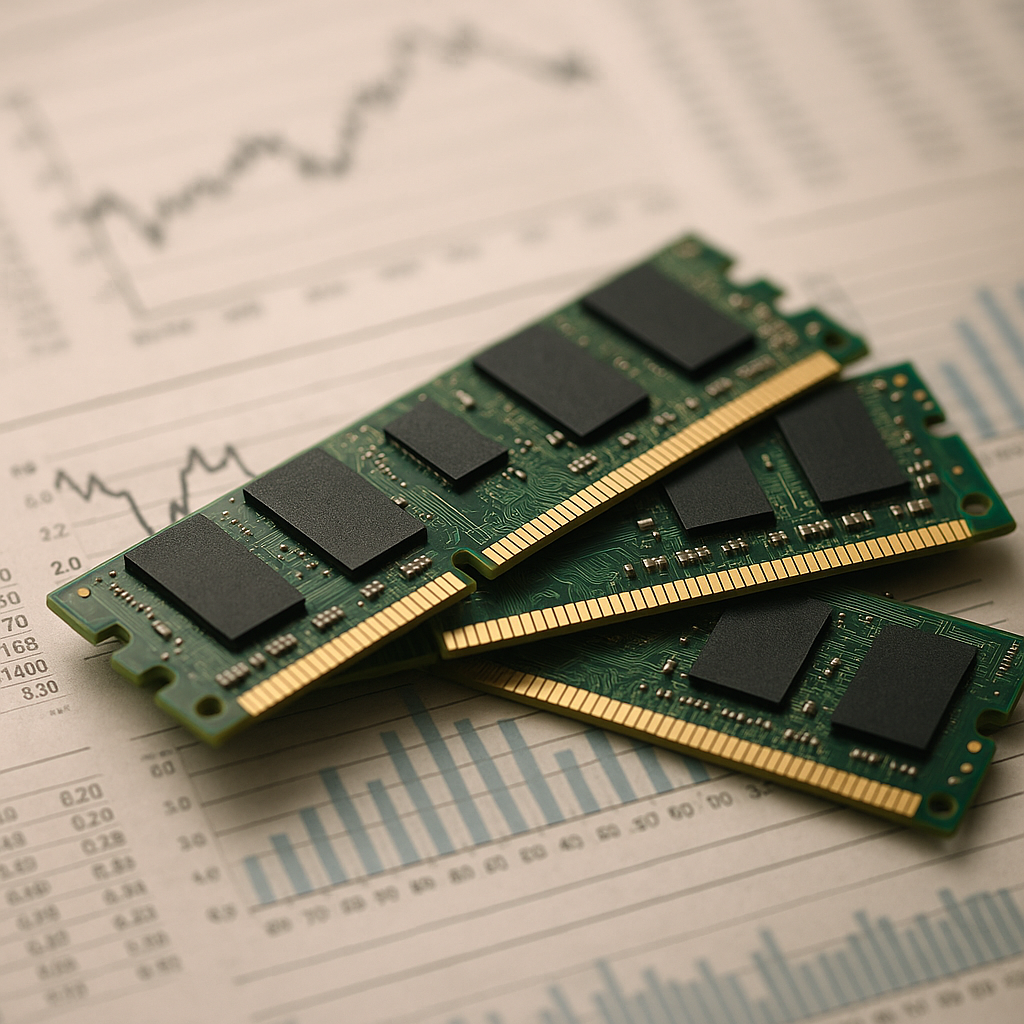
One key limitation that's often overlooked is the scarcity of specialized manufacturing equipment. Unlike general semiconductor tools, RAM production requires a very specific type of lithography machinery that is expensive, difficult to upgrade, and currently being stretched thin across the industry. This bottleneck means that even if raw materials and demand align favorably, production volume can't ramp up as fast as expected. Consequently, prices remain more stable or even rise despite apparent market softness.
Environmental Regulations and Their Hidden Impact
Another factor influencing RAM component prices in 2026 is the tightening of environmental regulations globally. These regulations aren't just about emissions but also pertain to chemical usage and waste management in semiconductor fabs. Manufacturers have had to invest heavily in eco-friendly processes, which increases operational costs. While consumers might not see this directly, it subtly pushes prices upward.
This trend is particularly relevant for RAM since the production involves complex chemical baths and cleaning processes. The cost of compliance varies by region, creating a patchwork of pricing pressures that ripple through the global supply chain.
[IMAGE_2]
The Counterintuitive Effect of Consumer Technology Trends
Interestingly, the rise of certain consumer technologies has paradoxically contributed to higher RAM prices. For example, the increasing use of cloud gaming and streaming services reduces the need for ultra-high-end personal computers, which might suggest a drop in demand for premium RAM modules. However, this shift has driven data centers to stockpile vast amounts of server-grade RAM to maintain performance and reliability.
Data centers require RAM with higher endurance and quality certifications, which are more expensive to produce. This demand from enterprise clients has pulled manufacturing capacity away from consumer RAM, indirectly elevating retail prices.
A Rarely Discussed Limitation: The Human Factor in Quality Control
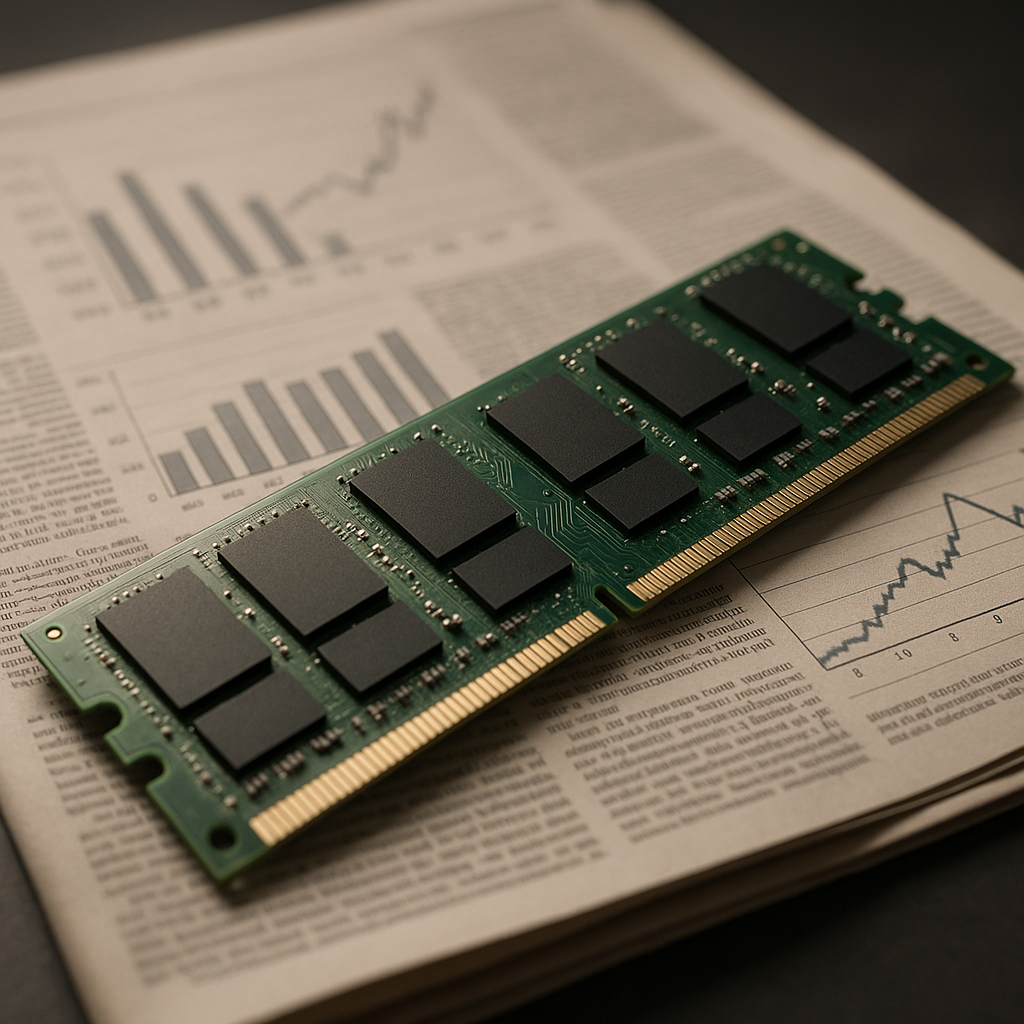
One of the seldom talked about reasons behind RAM price fluctuations in 2026 is the increasing difficulty in maintaining quality control standards due to a shortage of highly skilled workers. As RAM modules become more sophisticated, the margin for error narrows, requiring extensive manual inspection and expertise during production.
Automation has helped but hasn’t fully replaced the need for human judgment. The semiconductor industry's talent crunch means fewer experts are available to oversee these critical quality checks, which slows down production lines and increases costs. Manufacturers pass these expenses along, subtly but persistently driving up prices.
[IMAGE_4]
Understanding these deeper, less obvious constraints helps us see why RAM prices in 2026 are not just a simple reflection of consumer demand or chip supply. Instead, they are shaped by a complex interplay of manufacturing bottlenecks, regulatory costs, shifting consumption patterns, and human expertise limitations. This insight can better prepare consumers and industry watchers for future price trends beyond the usual headlines.
0 Comments
Recommended Comments
There are no comments to display.
Please sign in to comment
You will be able to leave a comment after signing in
Sign In Now