




2026 RAM Pricing Dynamics: Unexpected Market Forces Reshaping Component Costs

Dissecting the 2026 RAM Market: Beyond Supply and Demand
The RAM component market in 2026 is navigating a labyrinth of influences that transcend traditional supply-demand paradigms. While memory manufacturers continue to scale production capabilities, the price trajectory is increasingly dictated by nuanced factors such as geopolitical tensions, advanced manufacturing bottlenecks, and shifts in consumer hardware preferences. Notably, the persistent evolution of AI workloads has triggered a demand for specialized RAM types, which in turn distorts the uniformity of component pricing.
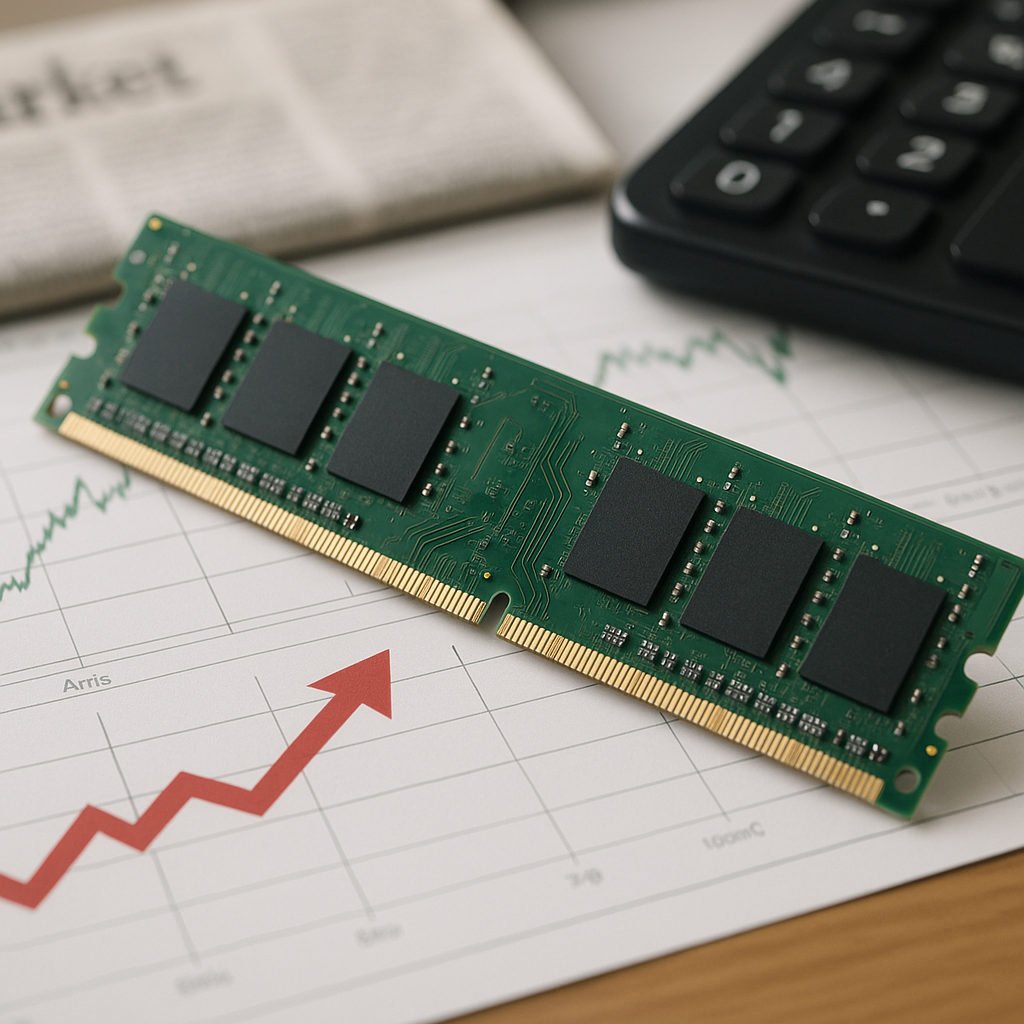
The Fragmentation of RAM Pricing by Application-Specific Demand
One of the less discussed yet impactful trends is the segmentation of RAM pricing based on the end-use vertical. Data centers, gaming rigs, and edge devices now require vastly different RAM specifications. This specialization has led to a bifurcated pricing environment where high-performance DDR6 modules command premiums due to their scarcity and customization, while commodity-grade RAM for consumer electronics faces downward price pressure from oversupply and commoditization.
[IMAGE_2]Why Increasing Production Capacity Doesn't Guarantee Lower RAM Prices
Contrary to classical economics, the ramp-up in wafer fabrication plants (fabs) for DRAM and SRAM has not uniformly translated to price drops. The capital-intensive nature of next-gen fabs combined with scarcity of critical raw materials like rare earth elements has injected a hidden cost layer. Furthermore, fab operators are prioritizing high-margin components over standard RAM chips, thus skewing availability and pricing. This selective allocation strategy challenges the long-held assumption that more production inevitably depresses prices.
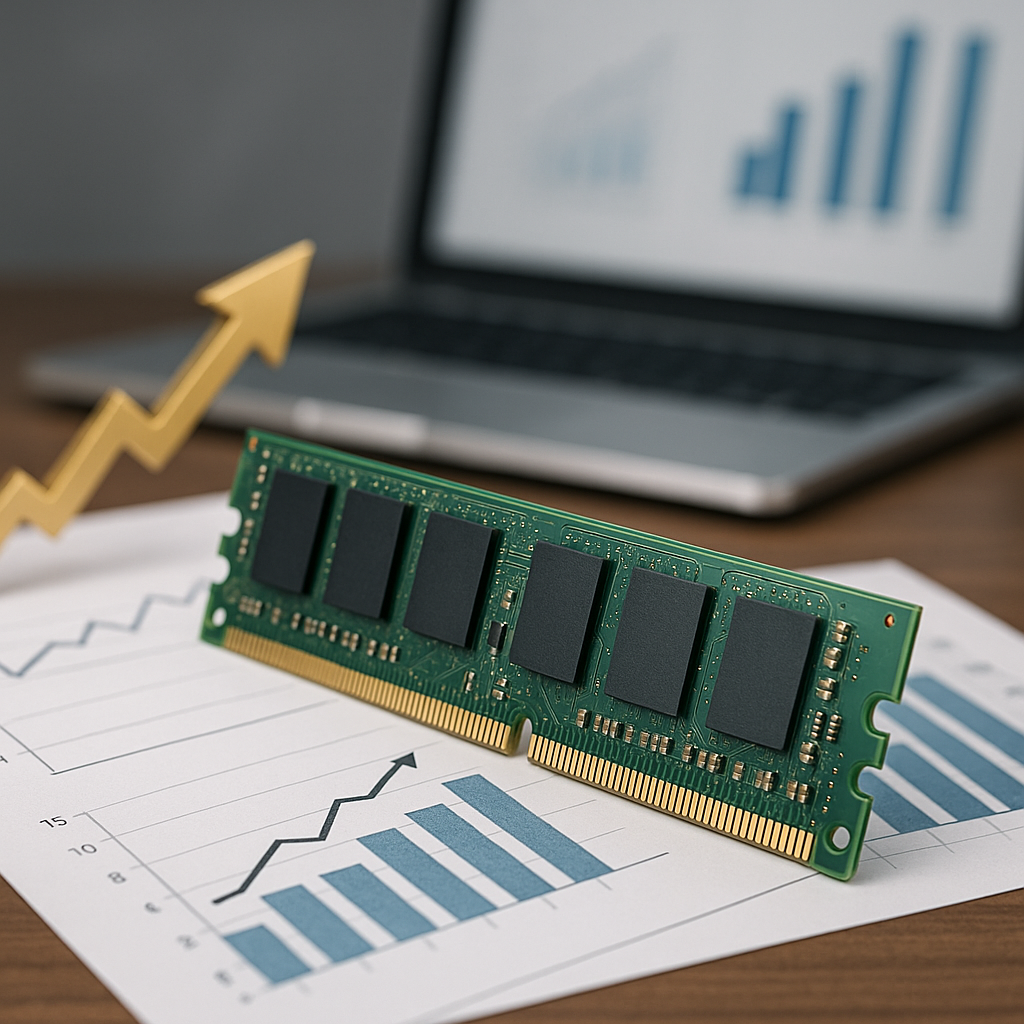
Counterintuitive Insight: The Role of Environmental Regulations in RAM Price Inflation
Surprisingly, stringent environmental policies enacted in 2025 have emerged as a covert driver of RAM price inflation. Manufacturing RAM is energy-intensive, and new emissions caps have forced fabs to overhaul infrastructure or incur carbon credit costs. These compliance expenses are being partially passed down the value chain, leading to subtle but persistent price hikes. This intersection of green policies and tech component pricing is rarely highlighted but is critical to understanding 2026’s pricing landscape.
Strategic Implications for Buyers and Investors
Investors and procurement specialists must pivot their strategies to incorporate these multifaceted market realities. Anticipating price volatility linked to geopolitical events or environmental compliance is essential. Moreover, diversifying RAM sourcing between application-specific suppliers may offer cost benefits, as homogenized bulk orders no longer guarantee the best pricing due to market segmentation.
[IMAGE_4]In conclusion, 2026’s RAM pricing environment is a complex interplay of advanced technology demands, geopolitical factors, environmental regulations, and shifting production economics. Stakeholders who adopt a granular understanding of these variables will be better positioned to navigate the volatile RAM market successfully.
0 Comments
Recommended Comments
There are no comments to display.
Please sign in to comment
You will be able to leave a comment after signing in
Sign In Now