




Reevaluating Small Form Factor Computers: Thermal Dynamics, Performance Trade-offs, and Unseen Architectural Nuances

Entry posted by Macsusc in Small Form Factor
52 views
Thermal Design Constraints Beyond Conventional Wisdom
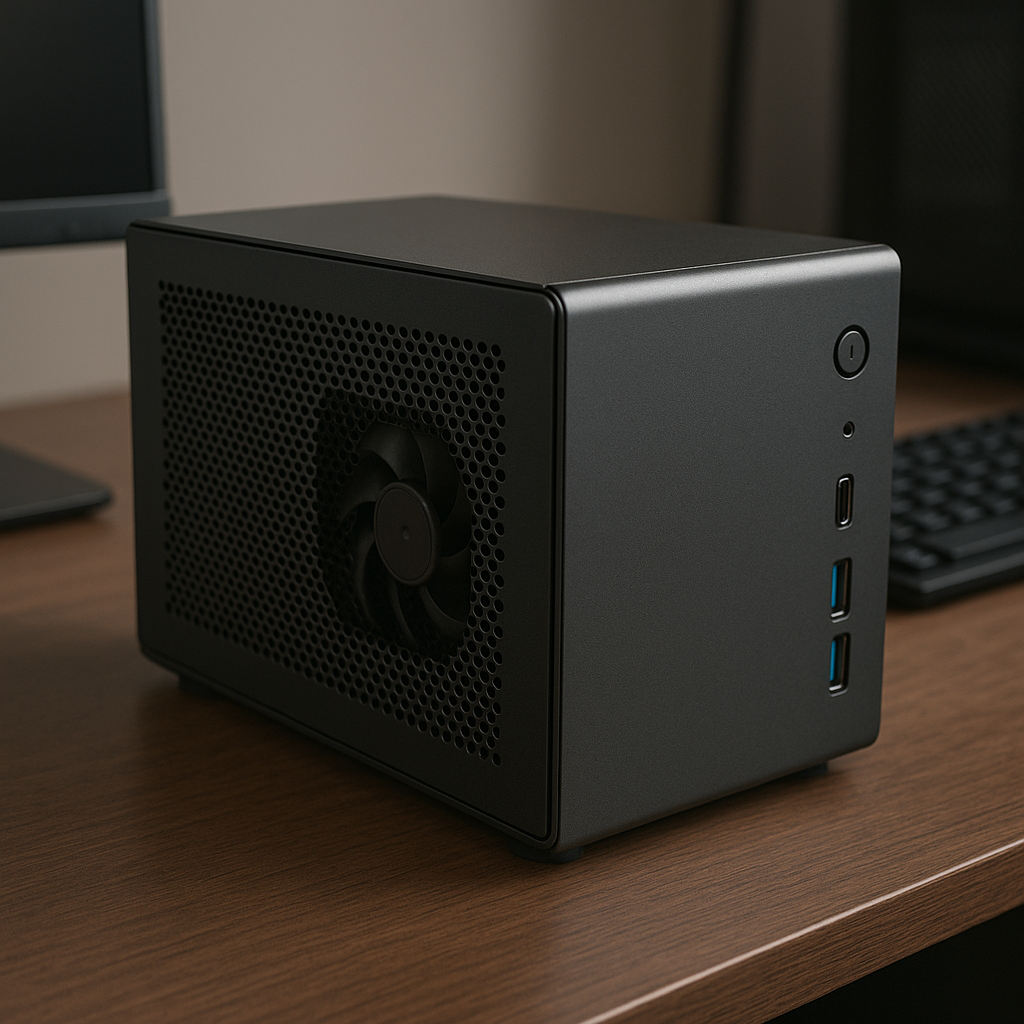
Small Form Factor (SFF) computers often trigger discussions centered on space-saving and aesthetics. However, an expert-level evaluation reveals that their thermal management is far more intricate than typical airflow optimization. Due to the dense component arrangement and limited internal volume, conventional cooling paradigms are disrupted, necessitating bespoke thermal solutions such as heat pipe integration and vapor chamber utilization. Notably, the transient thermal impedance in SFF units can lead to non-linear temperature gradients, which directly affect component longevity and performance throttling behavior in ways rarely quantified by standard thermal models.
Architectural Trade-offs: Memory and I/O Channel Configurations
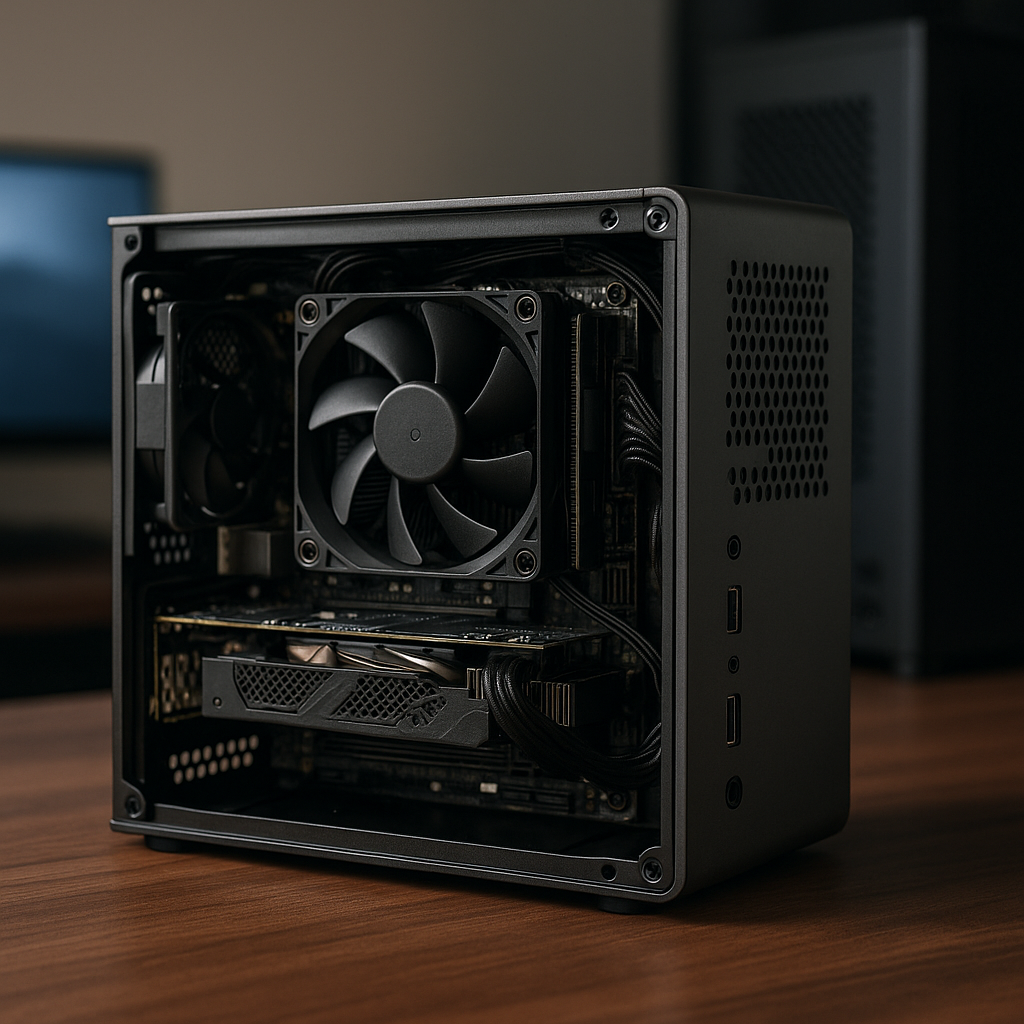
Compactness forces motherboard layouts to deviate from traditional ATX configurations, often resulting in reduced DIMM slots and constrained PCIe lanes. While this reduction is superficially seen as a limitation, a nuanced understanding shows that SFF motherboards frequently leverage multi-chip module (MCM) designs or employ high-density interposers to maintain memory bandwidth and I/O throughput within a tighter footprint. This architectural adaptation, however, introduces challenges in signal integrity and electromagnetic interference (EMI) management, requiring advanced PCB materials and layering techniques.
[IMAGE_2]
Power Delivery Networks: Minimizing Noise in Limited Real Estate
Power delivery in SFF systems is a domain where engineering subtlety reigns. The proximity of high-current VRMs (Voltage Regulator Modules) to sensitive components increases susceptibility to power noise and ripple. Designers often deploy multi-phase VRM topologies with spread-spectrum modulation to mitigate these effects. Interestingly, the compact spatial constraints paradoxically enable reduced loop inductance, which can enhance transient response times when meticulously engineered. This phenomenon challenges the assumption that smaller size inevitably compromises power stability.
Rarely Discussed Insight: The Impact of Mechanical Vibrations on SFF Reliability
While most discourse fixates on thermal and electrical factors, the mechanical vibrations intrinsic to small enclosures with high-speed fans and spinning media are an underappreciated reliability hazard. Vibrations at specific resonant frequencies can induce microfractures in solder joints and degrade contact integrity over time, especially in miniaturized components such as BGA-packaged chips. Counterintuitively, increasing chassis rigidity through heavier materials or structural reinforcements can attenuate these vibrations more effectively than damping solutions alone, an approach less common in mainstream SFF designs.
[IMAGE_4]
Non-Obvious Implication: SFF Systems as Platforms for Edge AI Computation
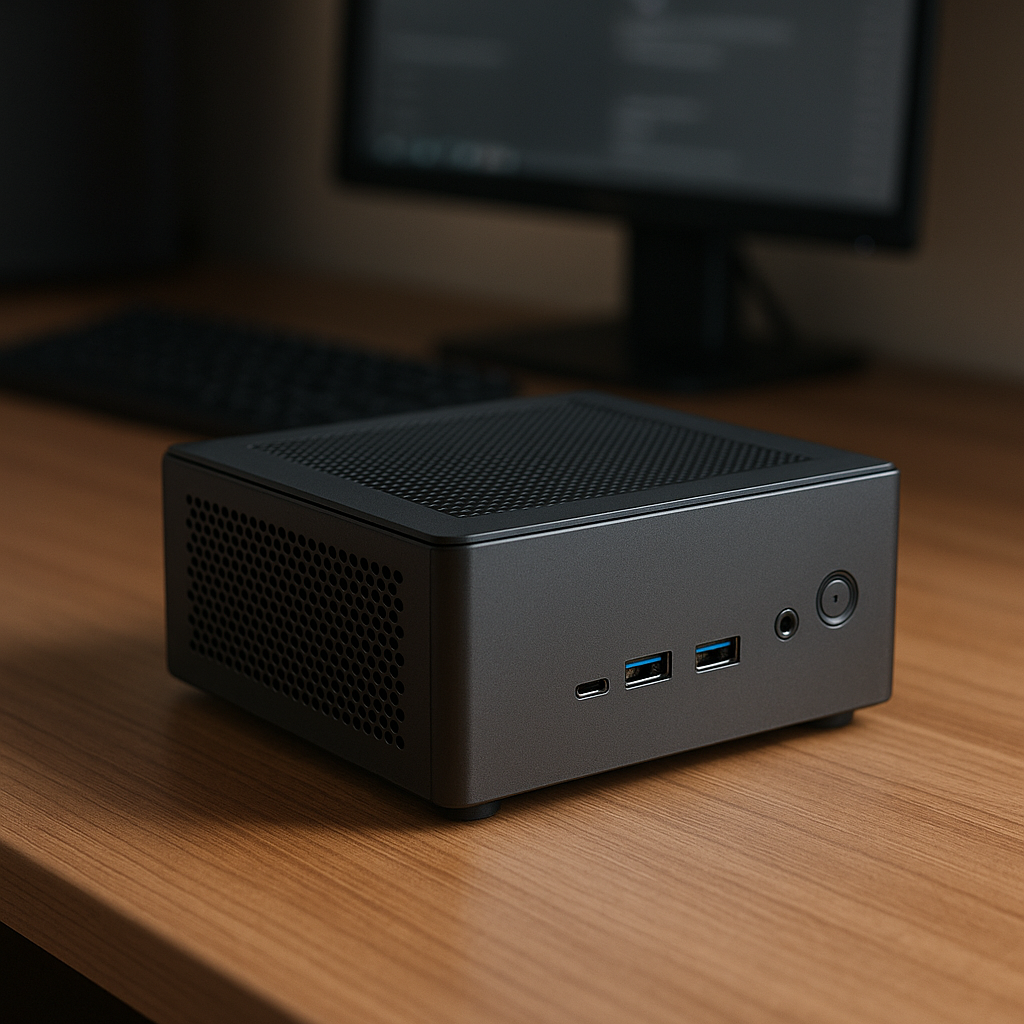
Beyond their traditional use cases, the compact footprint of SFF computers opens a pathway to localized edge AI deployment, marrying computational density with environmental adaptability. Their form factor enables integration into constrained environments—industrial machinery, autonomous vehicles, and smart infrastructure—where latency and data sovereignty are paramount. However, this role imposes unique challenges: accelerated thermal cycling due to variable workload intensities and intermittent power profiles demand advanced system-level optimization beyond desktop paradigms. The convergence of SFF hardware design with AI workload characteristics offers fertile ground for innovation in adaptive cooling algorithms and dynamic power management.
0 Comments
Recommended Comments
There are no comments to display.
Please sign in to comment
You will be able to leave a comment after signing in
Sign In Now