




Navigating the 2026 RAM Component Price Shifts: Market Dynamics and Hidden Drivers

RAM Prices in 2026: An Unexpected Market Realignment
Contrary to the common expectation of steadily declining RAM prices due to technological maturation, 2026 has unveiled a complex price landscape driven by nuanced supply chain realignments and evolving demand patterns. Unlike prior years where price drops followed predictable trajectories, this year’s market exhibits segmented pricing influenced by component type, fabrication technology, and geopolitical factors.
Disaggregated Supply Chains and Their Impact on RAM Pricing
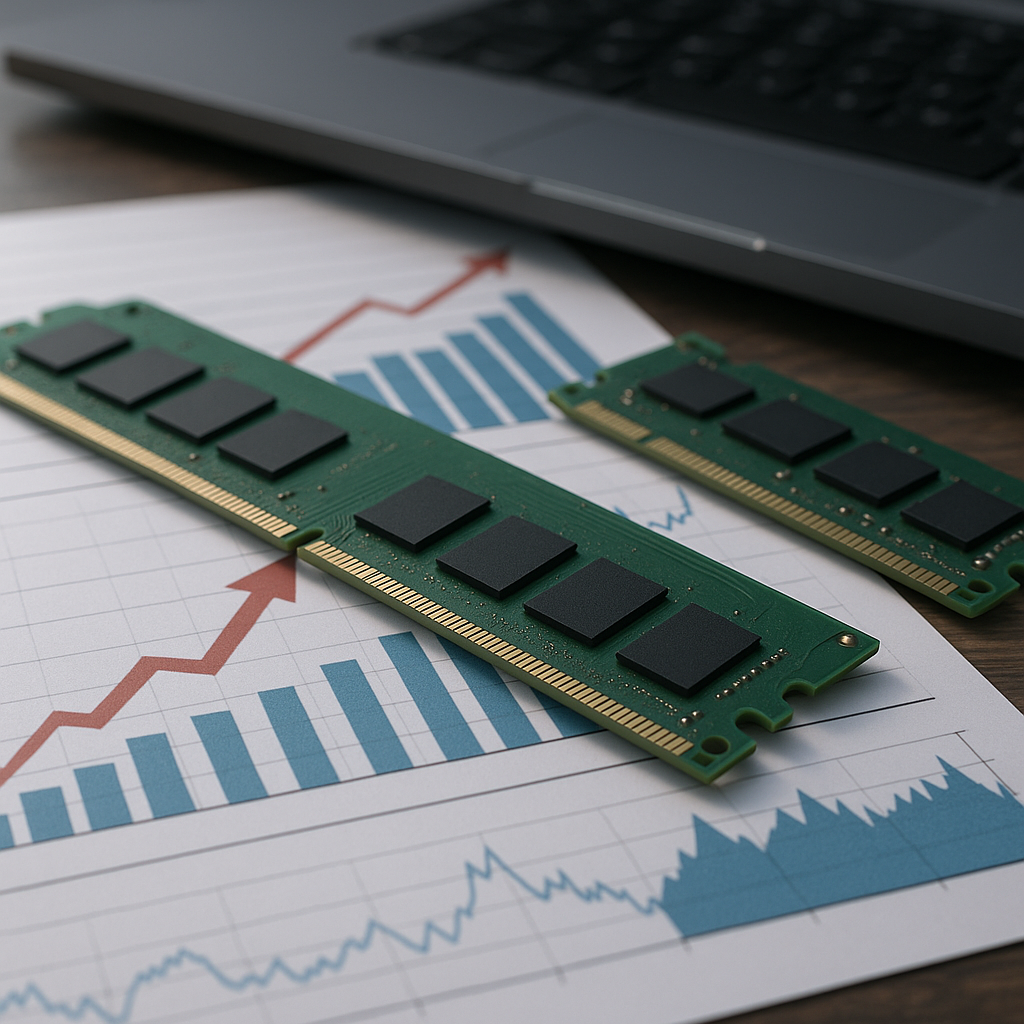
The RAM market in 2026 is no longer a monolith. The fragmentation of supply chains—prompted by diversification efforts from major manufacturers—has introduced varied cost structures across different RAM components. For instance, DDR5 modules continue to command premium pricing due to scarcity in certain fabrication nodes, while legacy DDR4 components are witnessing selective price stabilization, defying the typical commoditization trend.
These disaggregated supply routes have also introduced localized inflation effects, particularly in regions where semiconductor fabrication capacity remains constrained. This regional disparity has led to price discrepancies that traditional global pricing models fail to capture adequately.
[IMAGE_2]Demand Side Nuances: Beyond Consumer Electronics
While consumer electronics have historically driven RAM demand, 2026 sees an increasing influence from industrial and edge computing applications. Specialized RAM components tailored for AI inference engines and real-time data processing are commanding higher prices due to their customization and lower production volumes. This divergence is skewing average market prices upward, even as mass-market segments experience mild softness.
Counterintuitive Insight: Higher RAM Prices as a Signal of Technological Plateau
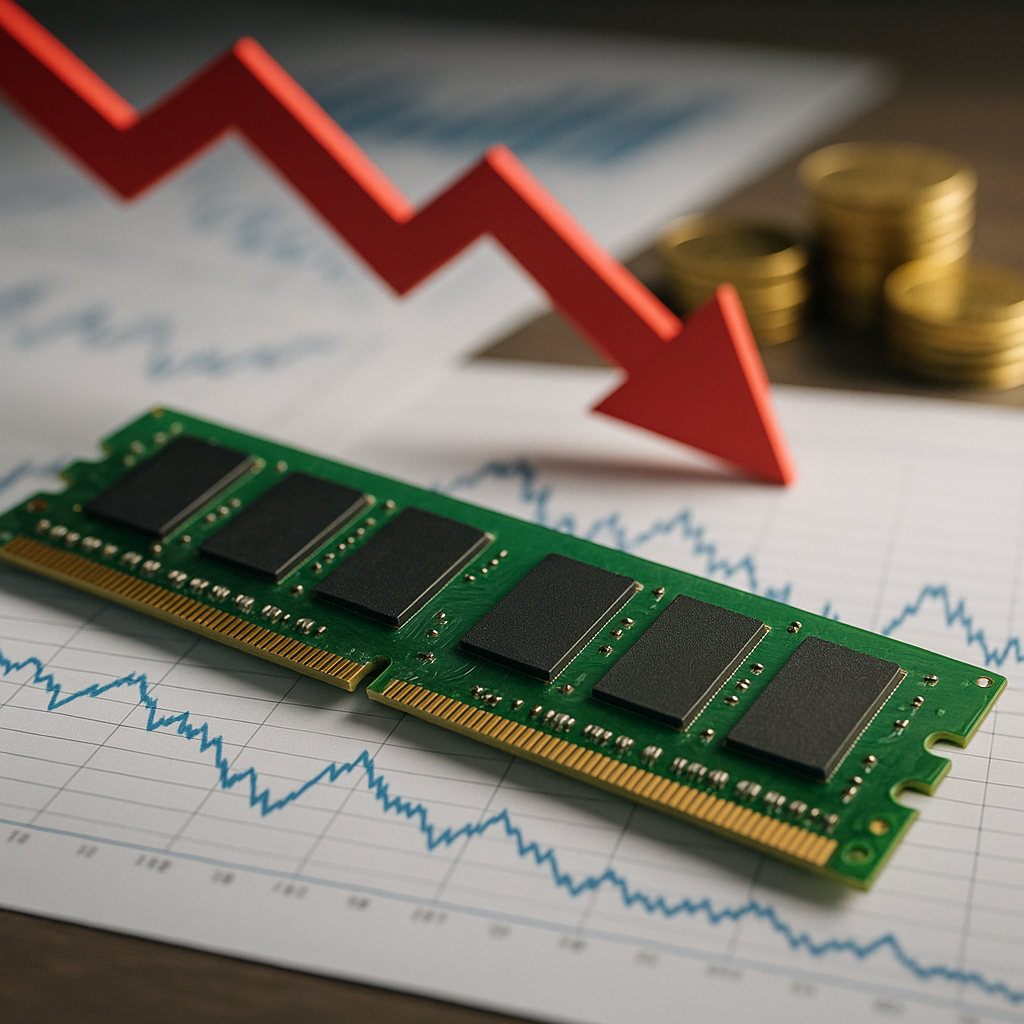
It may seem paradoxical, but rising RAM prices in 2026 could indicate a temporary technological plateau rather than pure supply constraints. The semiconductor industry’s transition toward next-gen memory architectures like MRAM and PRAM is slower than anticipated, causing manufacturers to focus on incremental improvements of existing DRAM technologies. This focus on refinement over radical innovation has increased production costs and reduced economies of scale, pushing prices upward.
This dynamic challenges the usual assumption that price increases are solely demand-driven, highlighting the importance of understanding production innovation cycles when analyzing market trends.
[IMAGE_4]Strategic Implications for Market Participants
For buyers and investors, recognizing the multifaceted price drivers in 2026 is crucial. Procurement strategies need to incorporate component-specific pricing analysis rather than relying on aggregate market trends. Additionally, manufacturers might leverage the current pricing complexity to optimize product portfolios, balancing legacy and emerging RAM technologies to maximize margins.
Overall, the 2026 RAM component price environment underscores a shift from linear market progression to a more fragmented and nuanced ecosystem shaped by technological, geopolitical, and sectoral influences.
0 Comments
Recommended Comments
There are no comments to display.
Please sign in to comment
You will be able to leave a comment after signing in
Sign In Now