




Deconstructing the 2026 Electric Vehicle Revolution: Beyond Batteries and Range Anxiety

Entry posted by Macsusc in Electric Cars
126 views
Rethinking Electric Vehicle Metrics: Efficiency vs. Energy Density
Conventional wisdom in electric vehicle (EV) analysis emphasizes battery energy density and driving range as the dominant metrics shaping 2026 EV advancements. However, a deeper inspection reveals an overlooked pivot: system-level efficiency, including powertrain and thermal management optimization, is eclipsing raw battery capacity gains. Recent reports from industry leaders indicate that marginal improvements in battery chemistry are no longer the primary driver; instead, the integration of advanced software controls and innovative cooling systems yields greater overall performance returns.
This shift challenges the prevailing narrative centered on 'bigger batteries' and invites a nuanced appreciation for how EV makers are squeezing more miles from each kilowatt-hour through intelligent energy distribution and regenerative braking algorithms. Such system-wide optimization enables manufacturers to maintain or even improve range while employing smaller, lighter battery packs, effectively reducing vehicle weight and cost.
Supply Chain Ripples: How Semiconductor Scarcity is Redefining EV Development
Amidst discussions on 2026 EV technology leaps, the ongoing semiconductor shortage is frequently cited as a bottleneck. Yet, this constraint has catalyzed unexpected architectural transformations. Automakers are revisiting hardware-software co-design, consolidating multiple functions into fewer chips, and adopting modular electronic platforms. This counterintuitive response—where scarcity breeds simplification rather than complexity—underscores a pragmatic pivot toward maintainability and scalability.
Moreover, some manufacturers are deliberately deprioritizing non-essential features in favor of core driving functionalities to navigate component rationing. This creates a bifurcation in the market between feature-rich premium models and minimalist, robust entry-level vehicles designed to endure supply chain volatility.
[IMAGE_2]Charging Infrastructure: The Invisible Bottleneck to EV Ubiquity
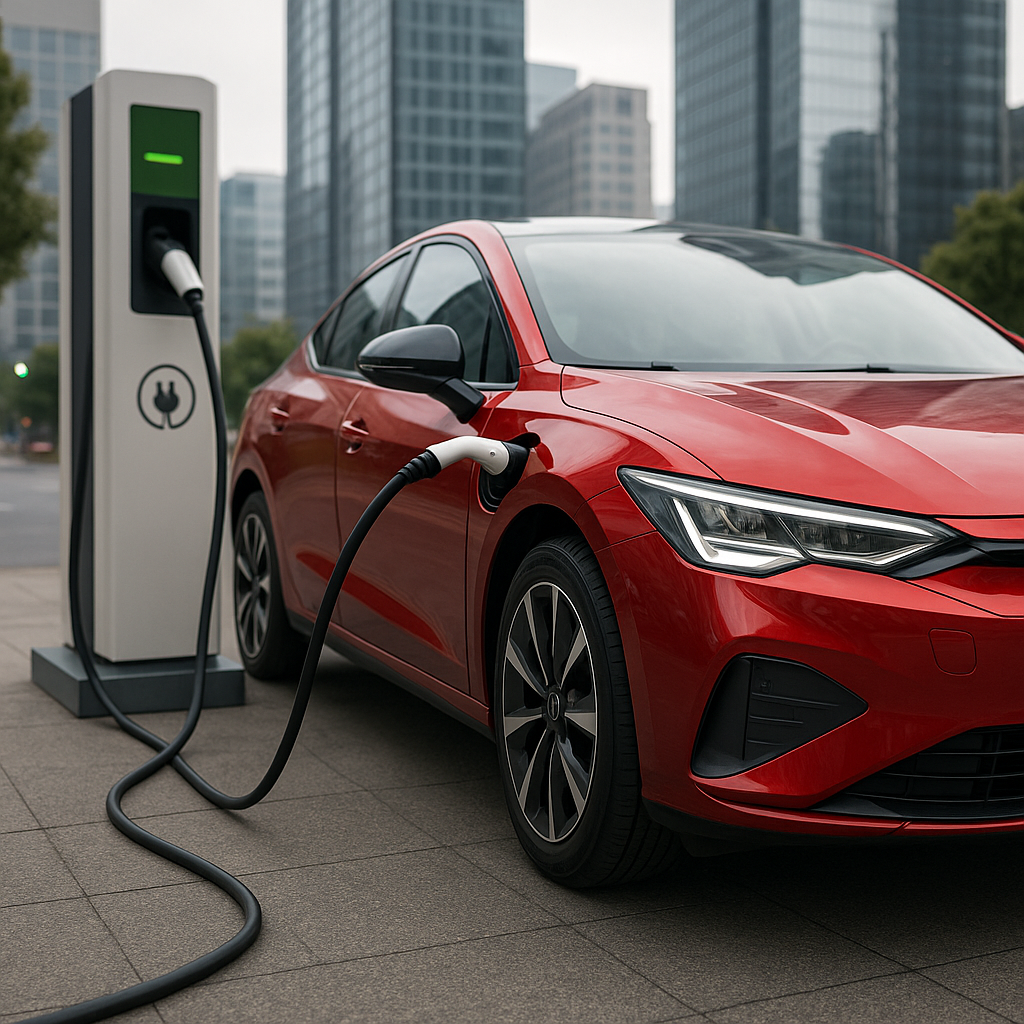
EV discourse often extols battery and vehicle innovation while marginalizing charging infrastructure as a solved or purely logistical issue. Yet, 2026 data reveals that disparities in charging accessibility disproportionately influence consumer adoption patterns and geographic penetration. A rarely discussed insight is the interplay between charger availability and urban design constraints, which complicates deployment in dense metropolitan areas.
Furthermore, the push toward ultra-fast charging networks introduces electrical grid stability challenges that are frequently under-analyzed. Without concurrent grid modernization, increased demand risks exacerbating load peaks, potentially requiring demand response schemes or vehicle-to-grid integration to balance supply. This systemic interdependence between EVs and the electric grid demands integrated policy and engineering solutions beyond isolated vehicle improvements.
Environmental Externalities: Hidden Costs of Battery Recycling and Rare Earth Mining
While electric vehicles are lauded for reducing tailpipe emissions, the full lifecycle environmental costs remain contentious. Emerging 2026 research illuminates underappreciated externalities related to battery recycling inefficiencies and rare earth element extraction. The counterintuitive revelation is that current recycling rates and technologies cannot yet match the rapid expansion of EV production, risking stockpiles of spent batteries with uncertain disposal paths.
Additionally, geopolitical dependencies on rare earth minerals create supply risks and environmental degradation hotspots that are seldom incorporated into mainstream EV environmental impact assessments. This necessitates a paradigm shift toward circular economy frameworks and alternative material innovations that balance demand with sustainability imperatives.
[IMAGE_4]
0 Comments
Recommended Comments
There are no comments to display.
Please sign in to comment
You will be able to leave a comment after signing in
Sign In Now