




Why Small Form Factor Computers Are the Hidden Champions of Modern Tech Spaces

Entry posted by Macsusc in Small Form Factor
63 views
Rethinking the Role of Small Form Factor Computers Beyond Size
When you hear "Small Form Factor (SFF) Computer," the immediate thought often revolves around compactness and portability. While these are significant advantages, focusing solely on size overlooks a subtle but powerful advantage: the SFF computer's adaptability to constrained environments where power and cooling capacities are limited. This insight flips the typical narrative and opens new doors for how beginners should approach these devices.
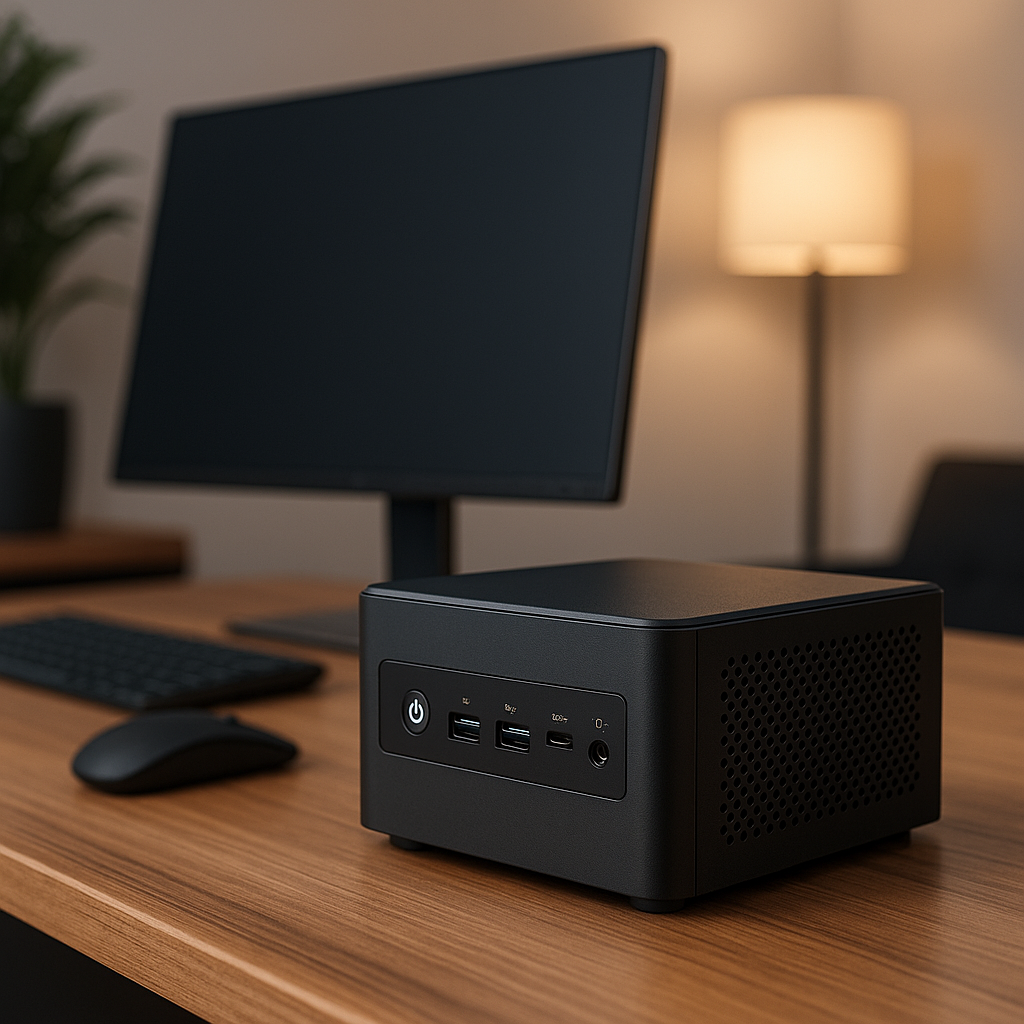
Understanding the Constraints that Shape SFF Design
Unlike traditional desktops that assume ample space and robust cooling solutions, SFF computers are engineered to perform optimally within tight power and thermal budgets. This means components are selected and configured not just for performance, but also for efficiency and heat dissipation. For beginners, appreciating this balance is key to understanding why certain hardware choices are made in these machines.
For example, an SFF PC might use a mobile-grade CPU rather than a desktop-class one, not because it's less capable, but because it fits the power envelope and thermal constraints better. This approach ensures stable operation in confined spaces such as small offices, kiosks, or even inside specialized industrial equipment.
[IMAGE_2]The Overlooked Impact of Noise Reduction in SFF Systems
Another rarely discussed benefit tied to the limitations of SFF designs is the inherent noise reduction. Limited space means fans have to be smaller or less powerful, which often leads manufacturers to optimize component selection for quieter operation rather than raw performance. This can make SFF computers ideal for noise-sensitive environments like recording studios, libraries, or shared workspaces.
This quiet operation is not just a comfort feature; it influences workflow and concentration. Beginners often underestimate how much background noise can impact productivity, making SFF systems surprisingly beneficial beyond their footprint.
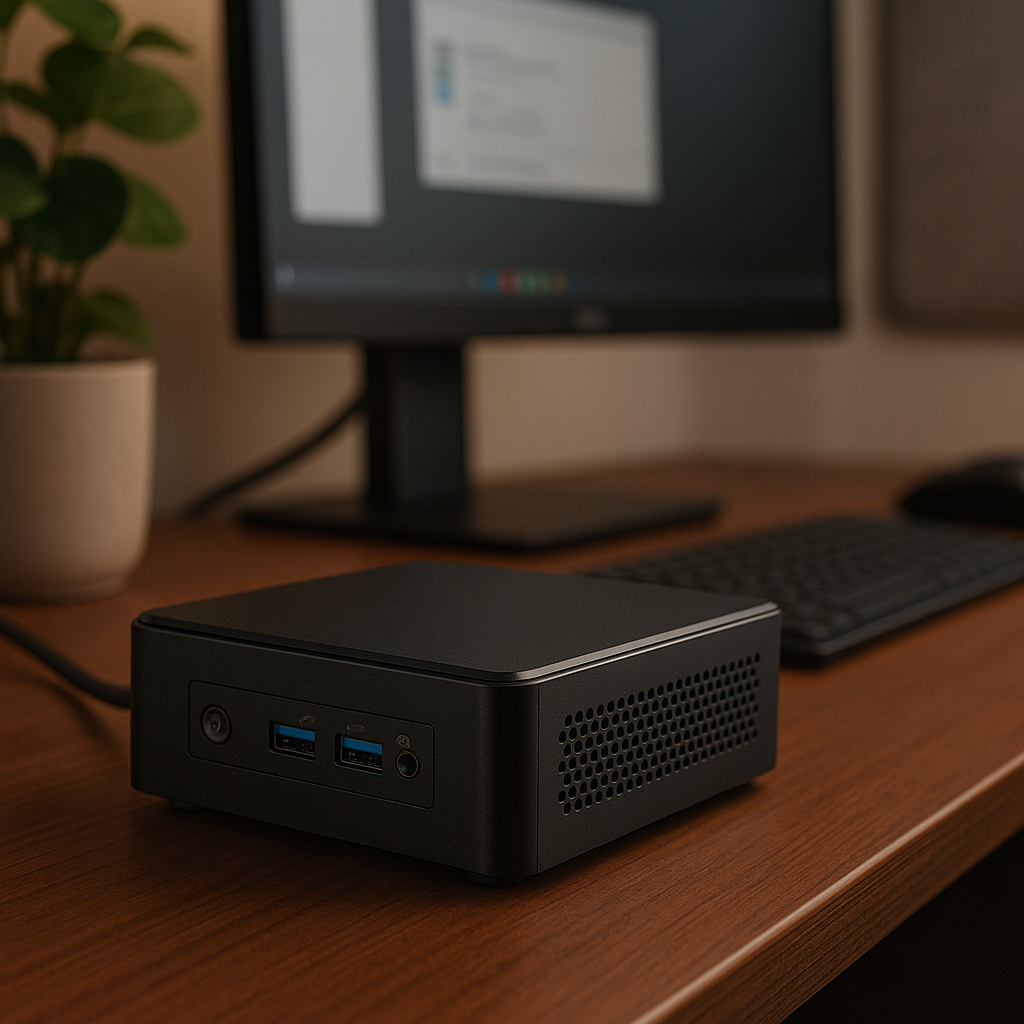
When Expansion Is Not the Goal: Embracing Fixed Configurations
Many newcomers expect PCs to be endlessly upgradable. However, SFF computers challenge this assumption. Due to size constraints, expansion options are often limited or non-existent. While this might seem like a drawback, it encourages users to focus on selecting a machine that fits their needs precisely from the start.
This mindset shift can be empowering. Rather than thinking of the computer as an ever-evolving project, an SFF setup encourages clarity and purpose in hardware choices, often leading to better overall satisfaction and less wasted money on unnecessary upgrades.
[IMAGE_4]Real-World Limitation: Power Outlets and SFF Opportunities
Consider a scenario common in older buildings or temporary setups: limited or hard-to-access power outlets. Large desktop towers with multiple peripherals can strain available power sources, sometimes requiring expensive power strips or rewiring. SFF computers, with their efficient power consumption and reduced peripheral needs, mitigate this issue.
They can run effectively on minimal power infrastructure, making them ideal for pop-up events, remote offices, or emergency response setups where power availability is unpredictable. This practical advantage is rarely highlighted but critical in understanding the true versatility of SFF machines.
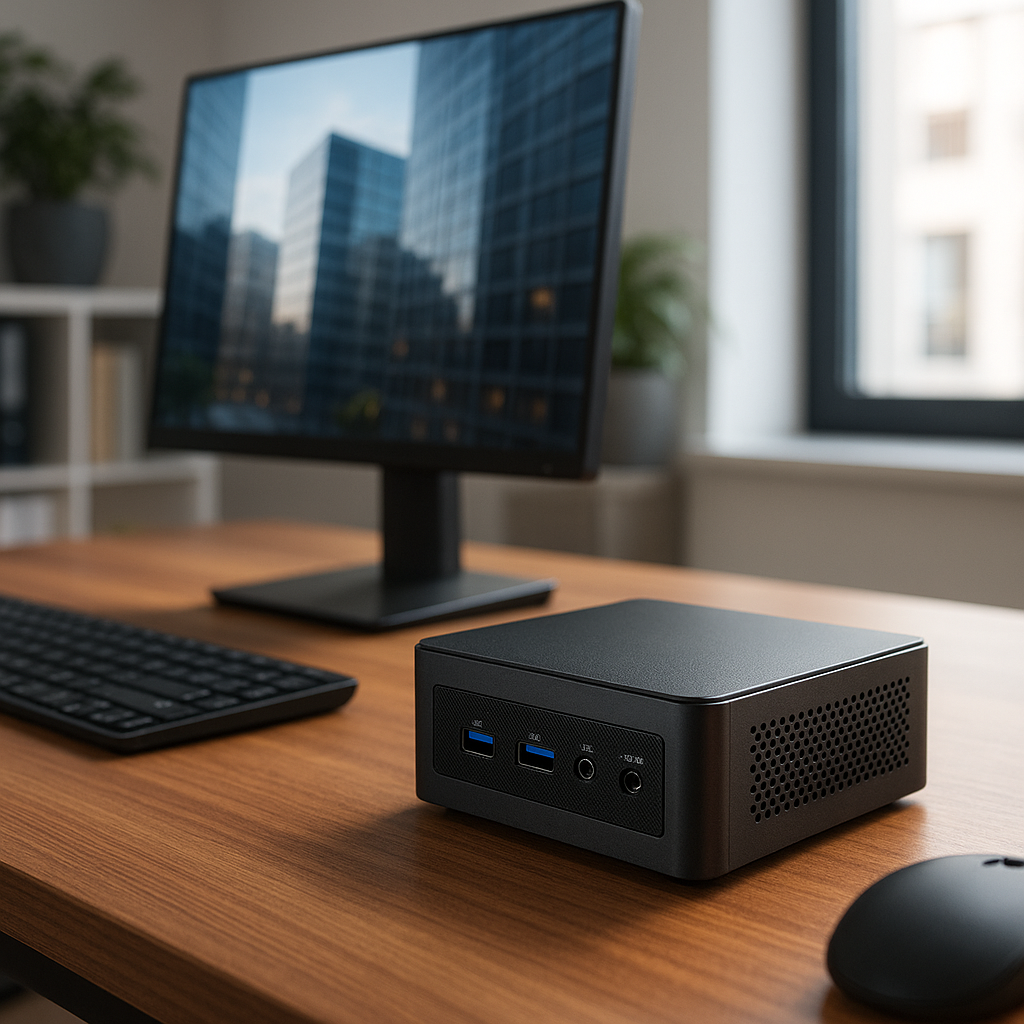
Conclusion: Beyond Compactness to Strategic Design
Small Form Factor computers are more than just smaller machines. They are purpose-built solutions that elegantly navigate the real-world limitations of space, power, noise, and user expectations. For beginners, embracing these less obvious benefits opens a richer understanding and appreciation of what SFF computers can truly offer.
Next time you consider a compact PC, remember it’s not just about fitting on your desk—it’s about fitting seamlessly into environments where traditional computers can’t.
0 Comments
Recommended Comments
There are no comments to display.
Please sign in to comment
You will be able to leave a comment after signing in
Sign In Now