



Electric Cars in 2026: An Analytical Breakdown of Market Dynamics and Technological Constraints

Entry posted by Macsusc in Electric Cars
38 views
Rethinking Battery Innovation Amidst Resource Scarcity
While much attention is given to battery energy density improvements and charging speed advancements, a less discussed but critical bottleneck in 2026 is the raw material scarcity for lithium-ion batteries. The exponential rise in demand has outpaced the sustainable mining and recycling capacities, leading to a strategic pivot toward alternative chemistries and circular economy models. This scarcity compels manufacturers to optimize battery design not solely for performance but for material efficiency, influencing vehicle range and cost in nuanced ways that defy the linear progression often assumed in technological roadmaps.
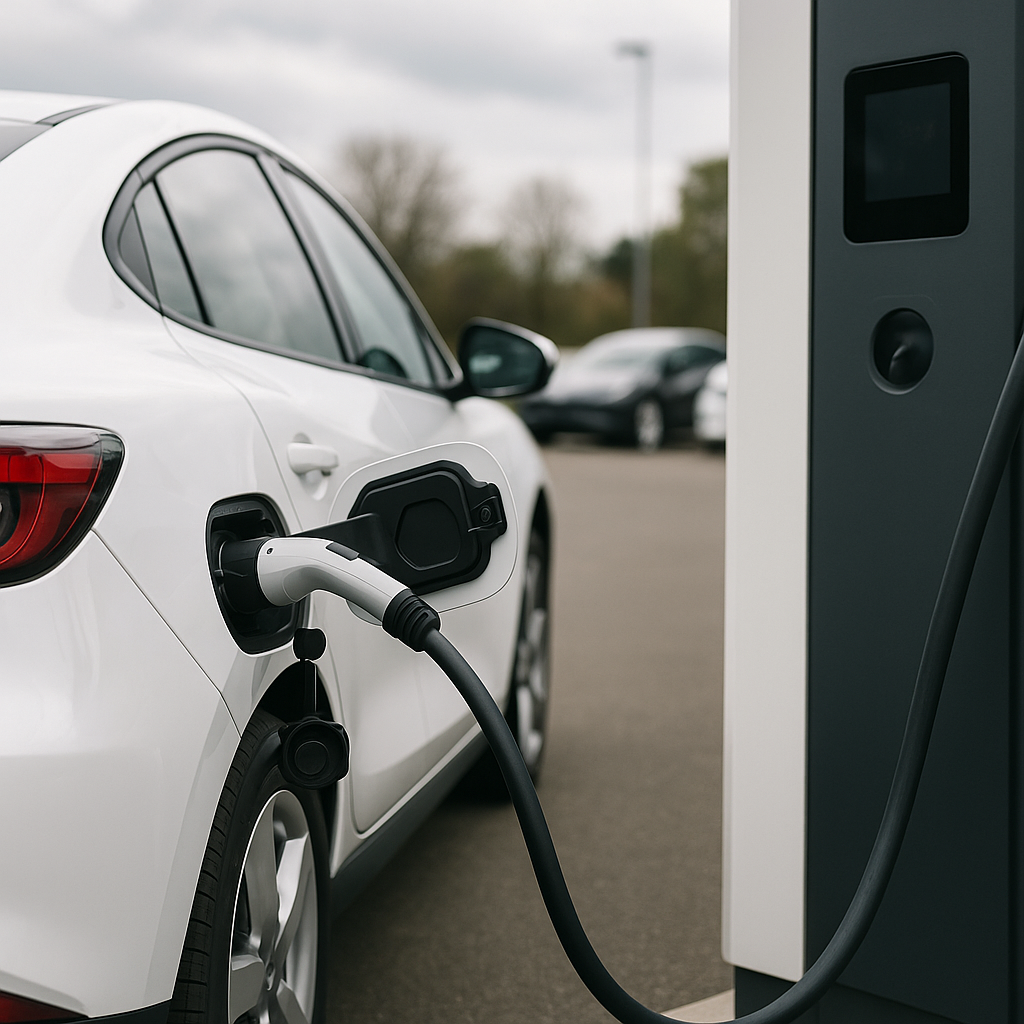
Market Saturation and Its Counterintuitive Effects on Innovation
Contrary to the conventional wisdom that increased market competition accelerates innovation, the electric vehicle (EV) sector in 2026 demonstrates signs of innovation plateauing in certain segments due to market saturation. High-volume manufacturers are consolidating incremental improvements rather than disruptive breakthroughs, focusing on cost reduction and standardization to maintain profitability. This creates a paradox where the abundance of models and options may actually slow down radical technological leaps, as risk-averse strategies dominate investment decisions.
[IMAGE_2]
Infrastructure Limitations Shaping Consumer Adoption Patterns
The deployment of fast-charging networks has been heralded as a panacea for range anxiety; however, the actual geographic and electrical grid constraints impose a more complex reality. In regions with aging grid infrastructure, the rapid expansion of high-power chargers is stymied by insufficient capacity, forcing utilities and governments to prioritize upgrades. This limitation shapes not only consumer adoption but also vehicle design, with manufacturers tailoring EV capabilities to regional infrastructure realities, resulting in a fragmented market with varying performance standards.
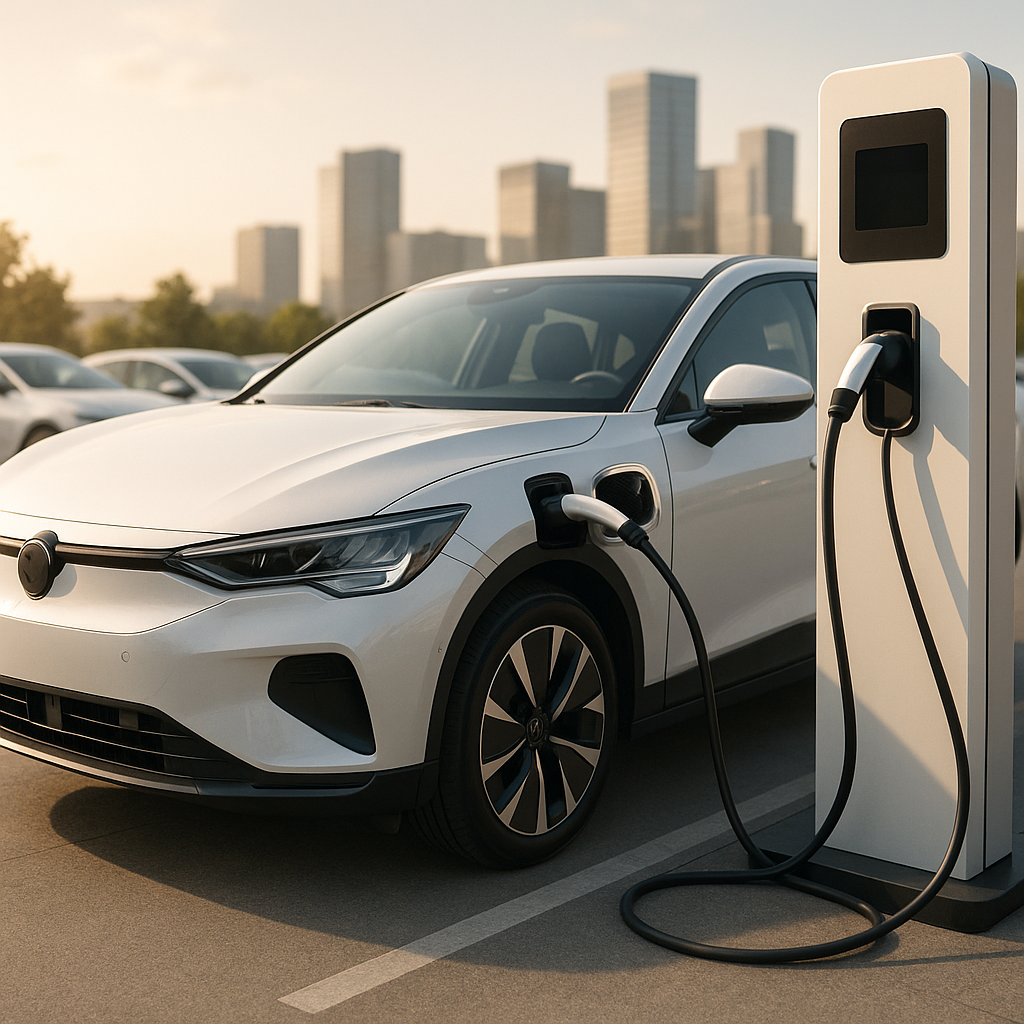
Autonomy Integration: A Double-Edged Sword for Electric Cars
Electric vehicles increasingly integrate autonomous driving technologies, yet this integration reveals an underexplored tension. The added computational load and sensor arrays significantly impact energy consumption, thereby reducing effective range and altering charging cycles. While autonomy promises enhanced safety and convenience, its energy demands impose a trade-off that challenges assumptions about EV efficiency. This creates a nuanced landscape where the interplay between autonomy and battery technology becomes a key determinant of vehicle performance in 2026.
[IMAGE_4]
0 Comments
Recommended Comments
There are no comments to display.
Please sign in to comment
You will be able to leave a comment after signing in
Sign In Now