




Decoding the 2026 RAM Component Pricing Paradigm: Beyond Supply and Demand

Deconstructing RAM Pricing Mechanisms in 2026: An Architect’s Perspective
The conventional narrative surrounding RAM prices centers on raw supply-demand dynamics and fabrication yields. However, 2026 introduces a paradigm where the interplay of component heterogeneity within multi-die modules critically influences market valuations. The ascendance of heterogeneous memory stacks, combining LPDDR5X, DDR5, and emerging DDR6 dies on a single module, complicates cost modeling beyond traditional wafer output metrics.

Microarchitectural Variability and Its Pricing Impact
RAM components are no longer monolithic entities; the integration of dies with variant process nodes (e.g., 3nm logic dies co-packaged with 10nm DRAM dies) imposes a non-linear pricing schema. This heterogeneity, driven by supply chain fragmentation and technological specialization, introduces yield interdependencies that conventional price forecasting models overlook. The pricing sensitivity to these cross-die yield correlations renders simplistic wafer-level cost extrapolations obsolete.
Counterintuitive Insight: The Role of Thermal Interface Material (TIM) Costs
While industry focus often gravitates towards silicon lithography costs or die shrink efficiencies, an underappreciated cost vector is the thermal interface materials used in stacked RAM modules. The drive towards higher data rates and increased power density in 2026 demands advanced TIM solutions with superior thermal conductivity and mechanical compliance. Surprisingly, these TIM costs have surged disproportionately, representing up to 12% of the component cost in premium 3D-stacked RAM, thereby exerting upward pressure on prices independent of silicon costs.
[IMAGE_2]
Real-World Limitation: Supply Chain Geographic Fragmentation
The geopolitical redistribution of semiconductor fabrication facilities has led to a fragmentation that directly affects RAM component prices. The decoupling of memory die fabrication and logic die production across continents introduces logistical overheads and risk premiums. For example, procuring high-end DDR6 dies from East Asia and integrating them with Western-manufactured controller dies inflates component costs due to currency volatility, tariffs, and transport-induced delays.
This geographically induced overhead is rarely accounted for in predictive pricing models but is increasingly manifest in vendor quotes and contract negotiations.
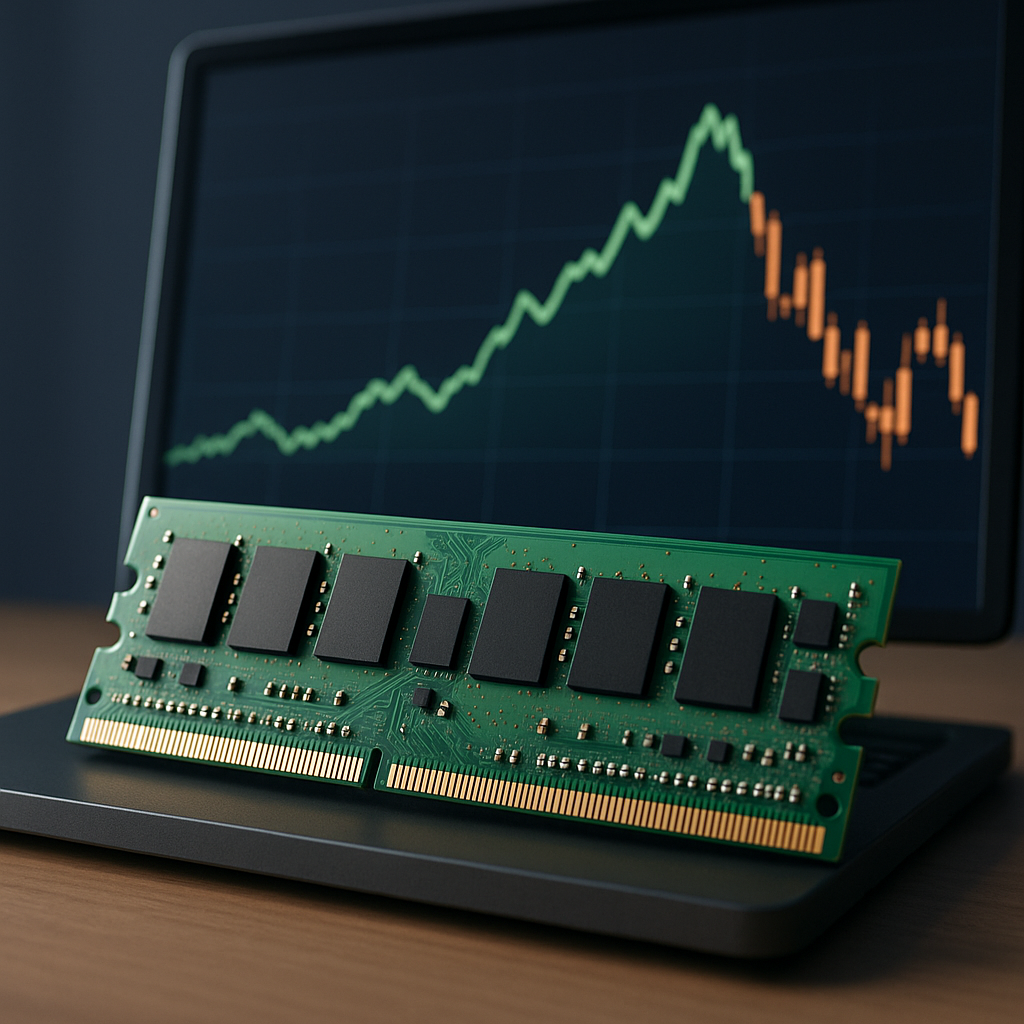
Advanced Packaging Technologies and Their Price Implications
The adoption of advanced packaging technologies such as silicon interposers and fan-out wafer-level packaging (FOWLP) in RAM modules contributes significantly to the component cost structure. While these methods enhance performance by reducing latency and power consumption, the process complexity and specialized equipment requirements elevate per-unit costs beyond the benefits realized at the system level.
In 2026, the marginal cost increase from integrating interposer substrates is estimated at 15-20% per unit, disproportionately affecting low-to-mid volume product segments and skewing pricing towards premium tiers.
[IMAGE_4]
Conclusion: Pricing Forecast Must Incorporate Multidimensional Cost Factors
Experts must transcend classical supply-demand and lithography-centric models when forecasting RAM component prices in 2026. The multidimensional nature of heterogeneous die integration, thermal management material costs, geographic supply chain fragmentation, and sophisticated packaging methodologies collectively redefine the cost landscape. Ignoring these nuanced drivers risks substantial underestimation of market prices and obscures strategic sourcing decisions.
0 Comments
Recommended Comments
There are no comments to display.
Please sign in to comment
You will be able to leave a comment after signing in
Sign In Now