




Why RAM Prices in 2026 Are Defying Traditional Market Logic: An Insider’s Perspective

Rethinking RAM Pricing Trends: Not Just Supply and Demand
When discussing RAM prices, most expect a straightforward narrative: higher demand drives prices up, and increased production pushes them down. However, 2026 has shattered this conventional wisdom in unexpected ways. Instead of a steady decline or predictable spikes, RAM component prices are fluctuating due to factors beyond typical market dynamics.
One overlooked force is the strategic inventory management by major manufacturers. Companies are deliberately holding back stock to influence pricing, a tactic rarely acknowledged in public discourse but crucial for understanding current price movements.

The Subtle Impact of Emerging Technologies on RAM Costs
Another layer complicating the RAM price landscape is the surge in specialized RAM types. While DDR5 remains dominant, niche variants like low-latency modules tailored for AI training rigs are commanding premium prices. This specialization means average RAM prices can appear inflated, even as standard modules become more affordable.
This divergence stems from the growing demand for purpose-built RAM, which benefits from more expensive manufacturing processes and smaller production runs. Consequently, price averages reported often mask the nuanced splits between mainstream and specialized RAM components.
[IMAGE_2]Why Consumer Behavior Can Skew RAM Price Perceptions
From a practical standpoint, the buying habits of non-traditional RAM consumers—such as small-scale edge computing providers—are influencing prices in unexpected ways. These buyers prioritize stability and longevity over sheer speed, opting for higher-quality modules that cost more.
This shift creates an interesting paradox: while average consumer PCs may use cheaper RAM, the overall market price trends upward due to demand from these specialized users who are less sensitive to price and more focused on performance reliability.
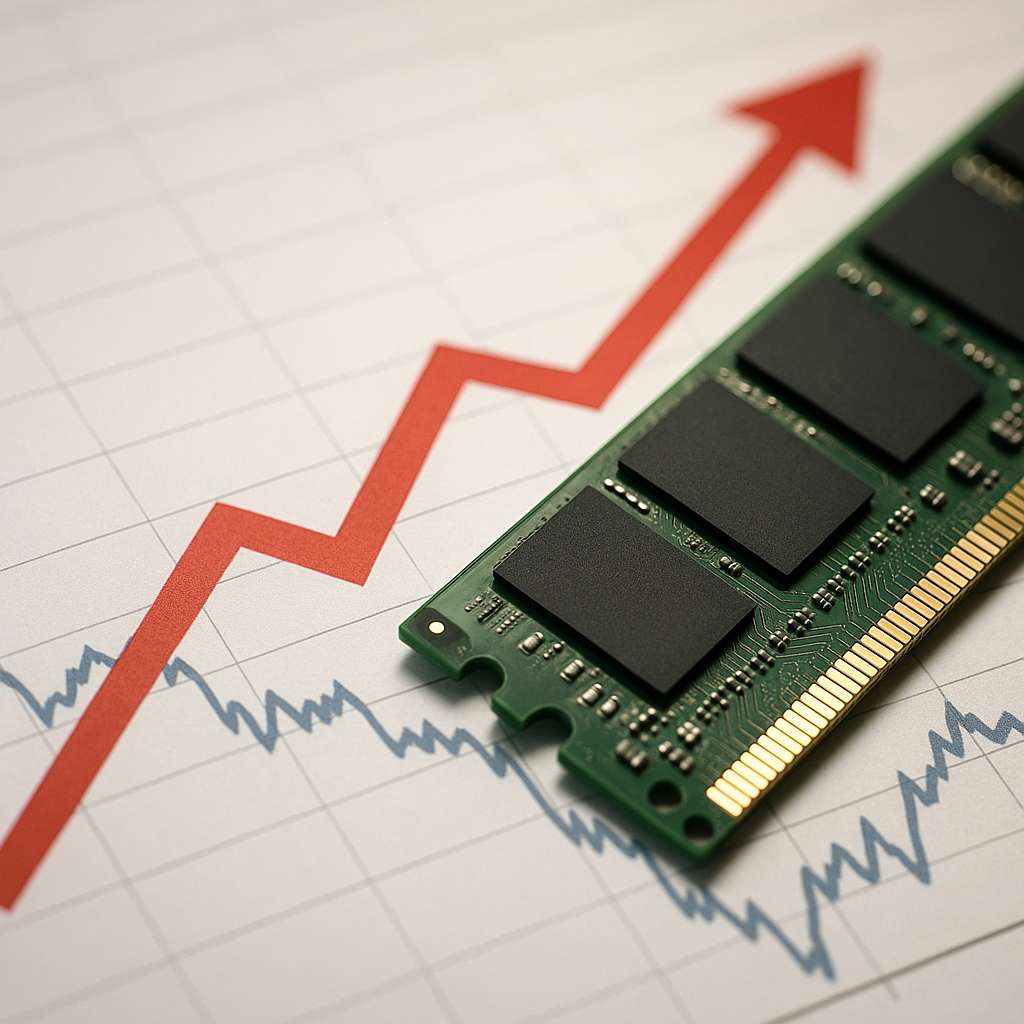
A Rarely Discussed Insight: Geopolitical Influence on RAM Pricing
Beyond economic factors, geopolitical tensions in key manufacturing regions are subtly affecting RAM costs. Restrictions on exporting semiconductor manufacturing equipment and raw materials have led to localized shortages, especially for high-end components.
This scenario creates price distortions that don’t align neatly with global supply-demand curves. For example, a manufacturer in one region may face cost increases unrelated to market demand, which ripple through global pricing structures in surprising ways.
This element is often missed in beginner guides but is essential to grasp the full picture of RAM pricing in 2026.
[IMAGE_4]
0 Comments
Recommended Comments
There are no comments to display.
Please sign in to comment
You will be able to leave a comment after signing in
Sign In Now