




The Small Form Factor Computer Fallacy: Why Compact Doesn’t Mean Superior

Entry posted by Macsusc in Small Form Factor
133 views
Small Form Factor Computers: More Compromise Than Convenience
Small form factor (SFF) computers are often marketed as sleek, efficient, and perfectly suited for modern computing needs. But the reality is far more complex and less flattering. While these compact machines may save desk space and look trendy, they introduce a slew of issues rarely discussed outside enthusiast forums and tech repair shops.
Contrary to popular belief, SFF computers are not a panacea for desktop computing. The trade-offs in performance, cooling, and upgradeability are often downplayed or ignored altogether. Users drawn by the allure of minimalism frequently find themselves grappling with overheating, throttled CPUs, and an infuriatingly limited capacity for future-proofing.
The Myth of Portability vs. True Mobility
Many equate small form factor with portability, but this conflation is misleading. Unlike laptops, which integrate battery power and optimized mobile components, SFF PCs still rely on stationary power sources and often require external peripherals. Their compact size may ease transport in a pinch, but they lack the seamless mobility users expect from truly portable devices.
Moreover, the fragility of tightly packed internals increases the risk of damage during transport, undermining the supposed convenience. This vulnerability is seldom highlighted in marketing materials, which prefer to focus on aesthetics and space-saving qualities.
Unseen Thermal Bottlenecks and the Illusion of Performance
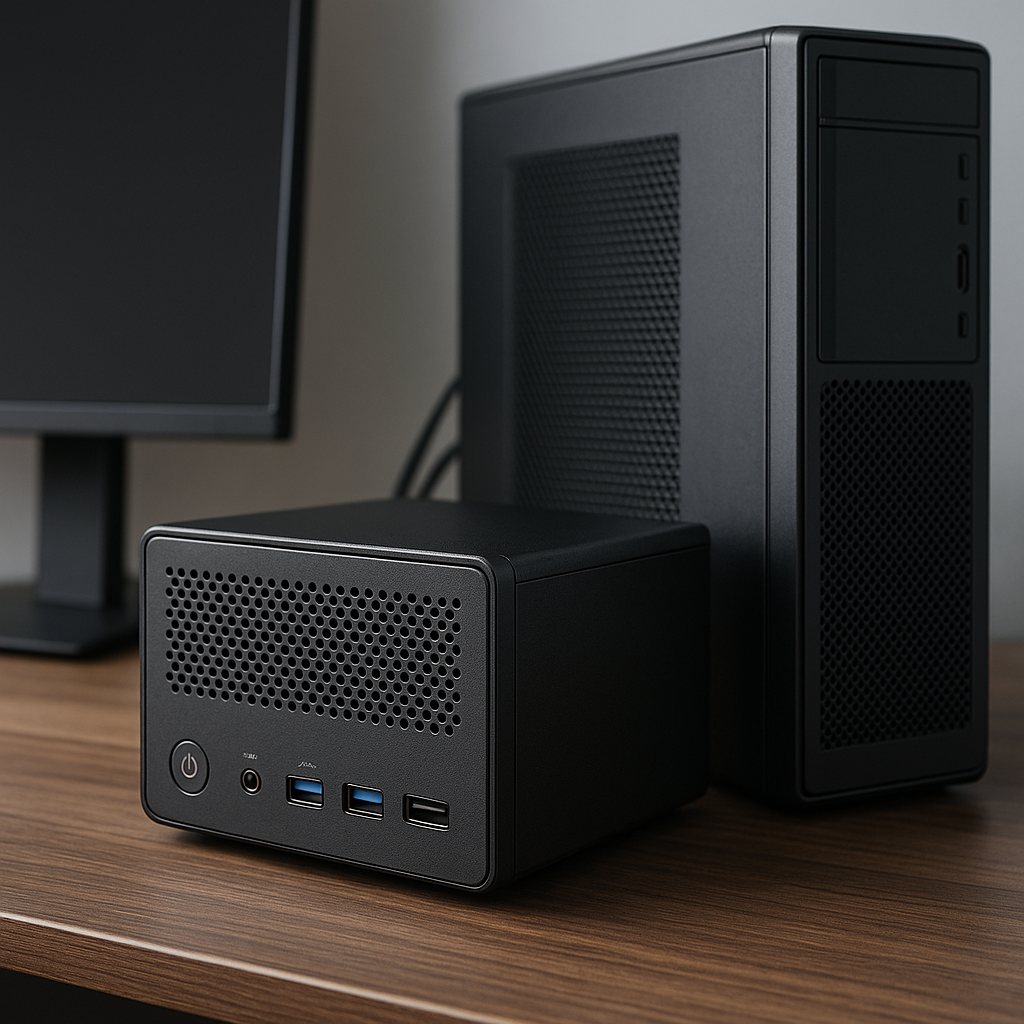
One of the most underappreciated challenges in SFF design is thermal management. The smaller chassis leaves little room for airflow, forcing manufacturers to rely on low-profile cooling solutions that can’t match the efficiency of full-sized towers. This often results in thermal throttling, where CPUs and GPUs reduce their clock speeds to avoid overheating, directly impacting performance.
What’s rarely discussed is how this throttling disproportionately affects high-demand tasks like video editing, gaming, or 3D rendering. Users may initially be impressed by benchmark scores under ideal conditions, but real-world sustained workloads expose these hidden weaknesses.
[IMAGE_2]
Upgradeability: The Silent Sacrifice
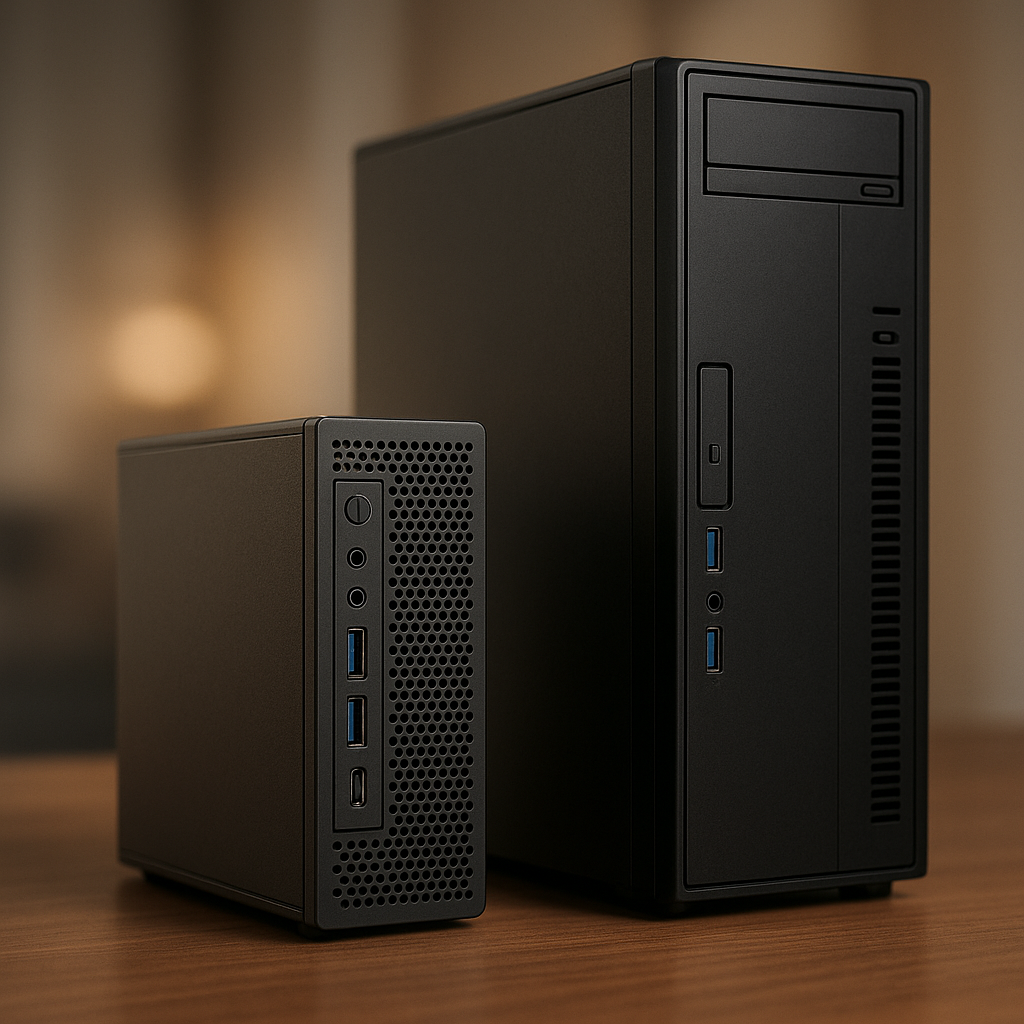
The promise of a desktop is customization and upgrade paths, but SFF systems systematically erode this advantage. Limited space confines the number of drive bays, expansion slots, and compatible hardware. Proprietary or non-standard components further restrict options, forcing users into costly replacements rather than incremental upgrades.
This limitation is especially problematic as software and hardware requirements evolve rapidly. The small form factor, by design, encourages a throwaway culture, where users must replace the entire system rather than upgrading individual parts, contradicting the sustainability trend gaining momentum in the tech industry.
Counterintuitive Insight: SFFs and the Rise of Cloud Dependence
A rarely explored consequence of SFF limitations is their subtle push users toward cloud computing reliance. As these machines struggle with local processing and storage constraints, users increasingly turn to cloud services for demanding applications and data management.
This shift, while convenient, introduces new vulnerabilities such as privacy concerns, data security risks, and ongoing subscription costs. Ironically, the small form factor’s hardware compromises indirectly promote a dependency on external ecosystems, which many users neither anticipate nor desire.
The Trend Toward Modular Mini PCs: A Misleading Middle Ground?
Recent industry trends show a rise in modular mini PCs aiming to blend compact design with better upgradeability. However, these solutions often fall short in practice, adding complexity and cost without fully resolving thermal or power constraints.
While marketed as the next evolution of SFF, modular mini PCs can exacerbate the very problems they seek to solve, confusing users with promises of flexibility that are hampered by physical and technological limitations.
[IMAGE_4]
Ultimately, the small form factor computer niche is riddled with contradictions. The appeal of compactness often masks significant drawbacks in performance, upgradeability, and longevity. Prospective buyers should approach these devices with a critical eye, weighing the real costs behind the convenience and style.
0 Comments
Recommended Comments
There are no comments to display.
Please sign in to comment
You will be able to leave a comment after signing in
Sign In Now